1964 has more in common with today than we think.
My sons and I finished reading “Charlie and the Chocolate Factory” this afternoon, and I was struck by the overt anti-television stance of the book. If author Roald Dahl was this concerned by the television-viewing habits of 1964’s children, I’m guessing his heart would stop at the sight of TikTok or Fortnite.
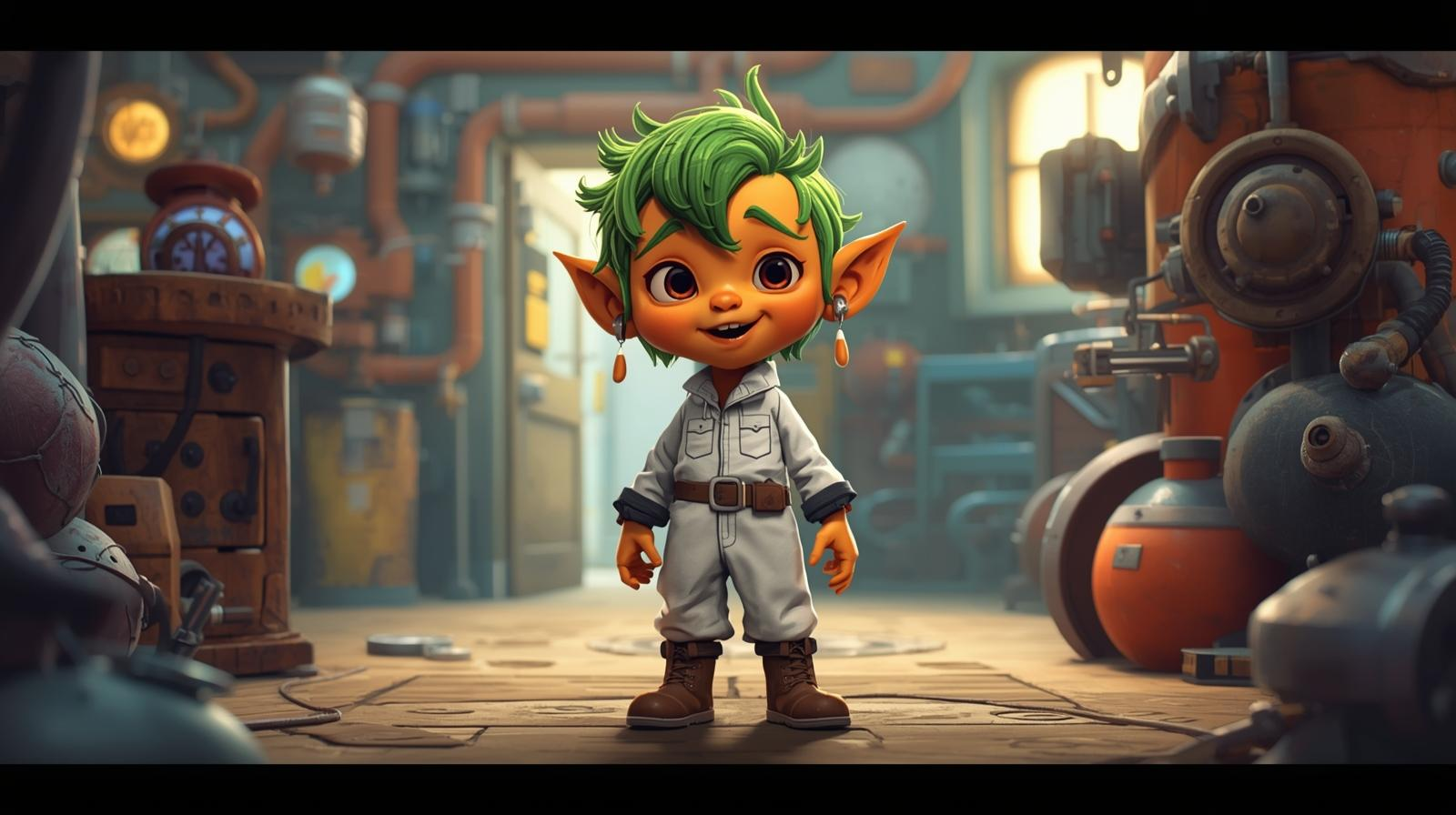
One of the five children invited to tour Willy Wonka’s chocolate factory is named Mike Teavee, and you guessed it, is obsessed with watching TV. Dahl describes him as an obnoxious boy with eyes “glued to the screen,” owning “no less than eighteen toy pistols of various sizes hanging from belts around his body.” He watches violent gangster shows, interrupts his parents, and “talks too much.” (Sound familiar?) When Charlie’s grandmother sees a clip of Mike Teavee on the news, she bemoans “Do all children behave like this nowadays- like these brats we’ve been hearing about?”
It’s not hard to infer that Roald Dahl was disgusted by the way children were changing from the new technology of his time. I can relate.
Though some of us may pine for the innocent days of the three-channel boob tube of yore, it was indeed a serious culture shock to many adults of that time. According to Wikipedia, around 25% of British households owned a TV in 1953, whereas only ten years later, the number had exploded to 90% of households in the year “Charlie” was published. It isn’t hard to imagine how disconcerting it was to watch children being hypnotized by a screen, eschewing the outdoor play habits of their predecessors.
If not TV, then what?
If Roald Dahl, (and Willy Wonka) are disgusted by the new breed of television-obsessed brats, then what would they like children to do instead of TV?
Well, I believe is best said in the words of Dahl’s most memorable creations, the Oompa-Loompas:
The most important thing we’ve learned,
So far as children are concerned,
Is never, Never, NEVER let
them near your television set.
Or better still, just don’t install
The idiotic thing at all.
In almost every house we’ve been,
We’ve watched them gaping at the screen.
They look and slop and lounge about,
And stare until their eyes pop out.
(Last week in someone’s place we saw
A dozen eyeballs on the floor.)
They sit and stare and stare and sit
Until they’re hypnotized by it,
Until they’re absolutely drunk
With all that shocking ghastly junk.
Oh yes, we know it keeps them still,
They don’t climb out the window sill,
They never fight or kick or punch,
They leave you free to cook the lunch
And wash the dishes in the sink-
But did you ever stop to think,
To wonder just exactly what
This does to your beloved tot?
IT ROTS THE SENSES IN THE HEAD!
IT KILLS IMAGINATION DEAD!
IT CLOGS AND CLUTTERS UP THE MIND!
IT MAKES A CHILD SO DULL AND BLIND
HE CAN NO LONGER UNDERSTAND
A FANTASY, A FAIRYLAND!
HIS BRAIN BECOMES AS SOFT AS CHEESE!
HIS POWERS OF THINKING RUST AND FREEZE!
HE CANNOT THINK- HE ONLY SEES!
“All right!” you’ll cry. “All right” you’ll say,
“But what if we take the set away,
What shall we do to entertain
Our darling children! Please explain!”
We’ll answer this by asking you,
“What used the darling ones to do?
How used they keep themselves contented
Before this monster was invented?
Have you forgotten? Don’t you know?
We’ll say it very loud and slow:
THEY…USED…TO…READ!
They’d READ and READ, and READ AND READ, and then proceed
TO READ some more. Great Scott! Gadzooks!
One half their lives was reading books!
The nursery shelves held books galore!
Books cluttered up the nursery floor!
And in the bedroom, by the bed,
More books were waiting to be read!
Such wondrous, fine, fantastic, tales
Of dragons, gypsies, queens, and whales
And treasure isles, and distant shores
Where smugglers roved with muffled oars,
And pirates wearing purple pants,
and sailing ships and elephants,
And cannibals crouching round the pot,
Stirring away at something hot.
(It smells so good, what can it be?
Good gracious, it’s Penelope.)
The younger ones had Beatrix Potter
With Mr. Tod, the dirty rotter,
And Squirrel Nutkin, Pigling Bland,
And Mrs. Tiggy-Winkle and-
Just How the Camel Got His Hump,
And How the Monkey Lost His Rump,
And Mr. Todd, and bless my soul,
There’s Mr. Rat and Mr. Mole-
Oh, books, what books they used to know,
Those children living long ago!
So please, oh please, we beg, we pray,
Go throw your TV set away,
And in its place you can install
A lovely bookshelf on the wall.
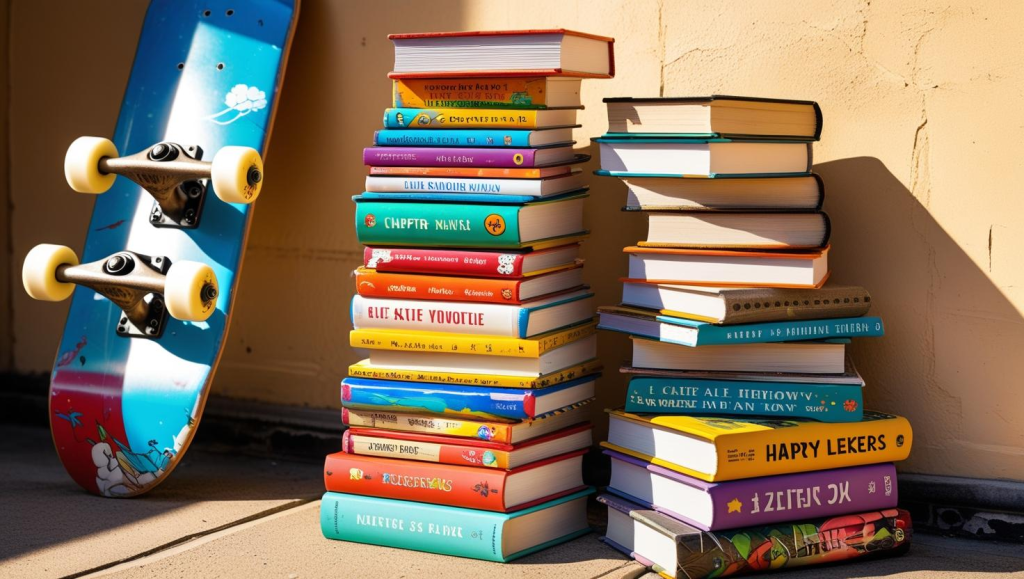
Then fill the shelves with lots of books,
Ignoring all the dirty looks,
The screams and yells, the bites and kicks,
And children hitting you with sticks-
Fear not, because we promise you
That, in about a week or two
Of having nothing else to do,
They’ll now begin to feel the need
Of having something good to read.
And once they start- oh boy, oh boy!
You watch the slowly growing joy
That fills their hearts. They’ll grow so keen
They’ll wonder what they’d ever seen
In that ridiculous machine,
That nauseating, foul, unclean,
Repulsive television screen!
And later, each and every kid
Will love you more for what you did.
Amazing.
Written sixty-one years ago, and just as relevant today. Simply replace the word “television” with our current drugs of choice: social media, gaming, YouTube, texting, or Netflix binging.
I may promote the ethos of “Screen Less. Play More.” But I can just as equally get behind the idea of “Screen Less. READ MORE.”
Just this past week I read a FASCINATING book titled “Guide to the Science of Reading: Translating Research to Reignite Joy and Meaning in the Classroom” by Doug Lemov, Colleen Driggs, and Erica Woolway.
I hope to have one of the authors on my podcast soon, and/or write a Substack about the book’s intriguing insights. It explains how important reading is to our brains, culture, society, and souls. It also offers MANY amazing tips for teachers and parents on how to raise children who both love and understand books. Thanks to the internet, AI, and public education, we are at a critical crossroads in the history and future of reading.
It’s up to us to pull away from the screens, and put our noses in a book.
I for one, don’t want to be on the wrong side of an Oompa-Loompa.
Reading resources!
Best Halloween books for kids!
Kids books that promote imagination and play!
Checkout my entire bookstore on Bookshop.org!
I am an affiliate of Bookshop.org and will get a small commission when you buy from my list, at no cost to you. So thank you!

Subscribe to Apple Podcasts to get our summaries of amazing parenting books about tech, play, and children’s health! Get our “Book Bites” at The Players Club! Need more info about raising neurodivergent kids?
Thanks for being here!