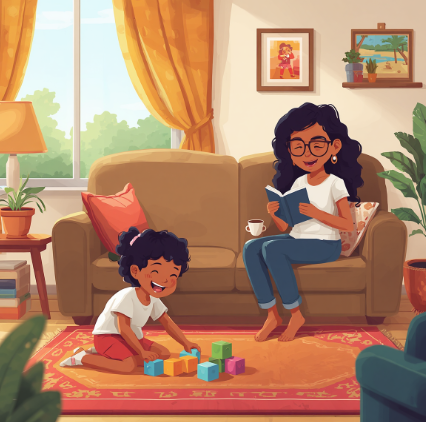
The Missing Link Between Reducing Screen Time and Independent Play
If you’re here because you’re trying to reduce screen time but finding that your child doesn’t quite know what to do without it, you’re in the right place.
Like so many parents, I found myself caught in a cycle I never intended to create. The more I relied on screens to get through the day, the harder it became for my daughter to play independently. And the harder independent play became, the more tempting screens felt.
Slap on some more mom guilt (as if we didn’t have enough already).
If that cycle sounds familiar, I want you to know something important:
You are not failing.
You’re parenting in a world where screens are more accessible than ever, attention-grabbing technology is everywhere, and opportunities for independent play don’t always happen naturally the way they once did.
And I know what some of you might be thinking: “Nobody taught me how to play and I played all day.”
You’re right.
Most of us weren’t formally taught independent play because we grew up in a world that naturally fostered it. We spent more time outside, experienced more boredom, and had fewer entertainment options. Today’s children are growing up in a different environment, which means many need more intentional support learning how to create their own fun, solve problems, and stay engaged in play.
Research continues to show links between excessive screen use and challenges with attention, self-regulation, sleep, and mental health. At the same time, play remains one of the most important ways children learn to think creatively, solve problems, build focus, and develop confidence.
The good news? There is a way out of the cycle.
Children are naturally wired to play. But in a world full of instant entertainment and fewer opportunities to practice, independent play has become a skill many children need help developing.
The Screen Time Cycle So Many Moms Know Too Well
It usually looks something like this:
Your child gets bored.
They ask for a screen.
You say yes because you need a few minutes to get something done.
The screen works.
The next day they get bored again. But instead of turning to toys, books, imagination, or play, they immediately look for the screen because that’s what they’ve learned to expect. Soon, independent play becomes harder. Screens become more necessary. And around and around the cycle goes.
The problem isn’t that your child can’t play. The problem is that they’ve never been taught the skills needed to play independently.
Why Independent Play Matters
When children learn to play independently, everyone benefits.
Children build creativity, focus, confidence, problem-solving skills, and resilience. And parents gain something too: breathing room. Not so we can ignore our children, but so we can make dinner, answer an email, fold laundry, work from home, or simply enjoy a moment without feeling pulled in ten different directions.
Three Pieces of the Independent Play Puzzle
Start Smaller Than You Think
One of the biggest mistakes parents make is expecting too much too soon. If your child currently plays for 30 seconds before asking for help, don’t aim for 30 minutes. Start with just a few minutes. Stay nearby. Use a visual timer. Celebrate the success.
Small wins build confidence, and confidence builds longer play sessions.
Fill Their Connection Cup First
Many children struggle to play independently because being alone in play feels uncomfortable or uncertain. Before we can ask children to separate from us, they need to feel secure in their connection to us. One of the best ways to strengthen that connection is to spend 10 minutes fully engaged with your child before independent play.
Put away your phone.
Follow their lead.
Play their game.
Laugh together.
When children feel connected, separating becomes much easier. I call this “Connection First,” and it’s one of the most powerful strategies I teach families.
Do Less During Independent Play
When our children struggle, we naturally want to help. But every time we jump in immediately, we accidentally communicate:
“You need me to make this work.”
Instead, pause. Give your child a chance to think.
Try phrases like:
- “I wonder what you could try.”
- “What do you think happens next?”
- “Show me your idea.”
The goal isn’t perfect play. The goal is helping your child discover that they are capable.
Why Taking Away Screens Isn’t Enough
Many parents know they want less screen time. The challenge is figuring out what comes next.
You’ve reduced screens, but now there’s still this time to fill. Your child is still going to have moments of boredom. You’re still going to need to make dinner, answer emails, fold laundry, work, or simply take a breath. And if your child hasn’t learned how to play independently, removing screens can leave both of you feeling frustrated.
Screens can absolutely be part of the problem. But if we want less screen time to actually stick, we also have to teach children what to do instead. Because the issue was never just the screens. The issue was what was missing underneath them.
That’s why reducing screen time and teaching independent play need to go hand in hand. One removes the entertainment. The other teaches children how to create it for themselves.
Without independent play skills, many families find themselves right back where they started—reaching for screens, creating endless activities, or feeling like they have to become their child’s full-time entertainer. The goal isn’t to replace screens with a mom who is constantly entertaining. The goal is to help children build the skills they need to engage, create, imagine, problem-solve, and play on their own.
Ready to Break the Cycle?
I’m Kari- a former elementary teacher, toddler mom, and founder of EduPlay. I help overwhelmed parents teach independent play so they can reduce screen time, reclaim some breathing room, and raise confident, capable kids.
If we haven’t met yet, you can find me on Instagram at @eduplay.together where I share practical tips for independent play, screen reduction, and play-based learning.

If you’re looking for a simple place to start, I’ve created a free Screen Reset Guide that walks parents through practical steps to reduce screen reliance without turning life upside down.
But if you’re ready to go deeper, my course was created specifically for parents who want to teach independent play in a way that feels realistic, supportive, and achievable.
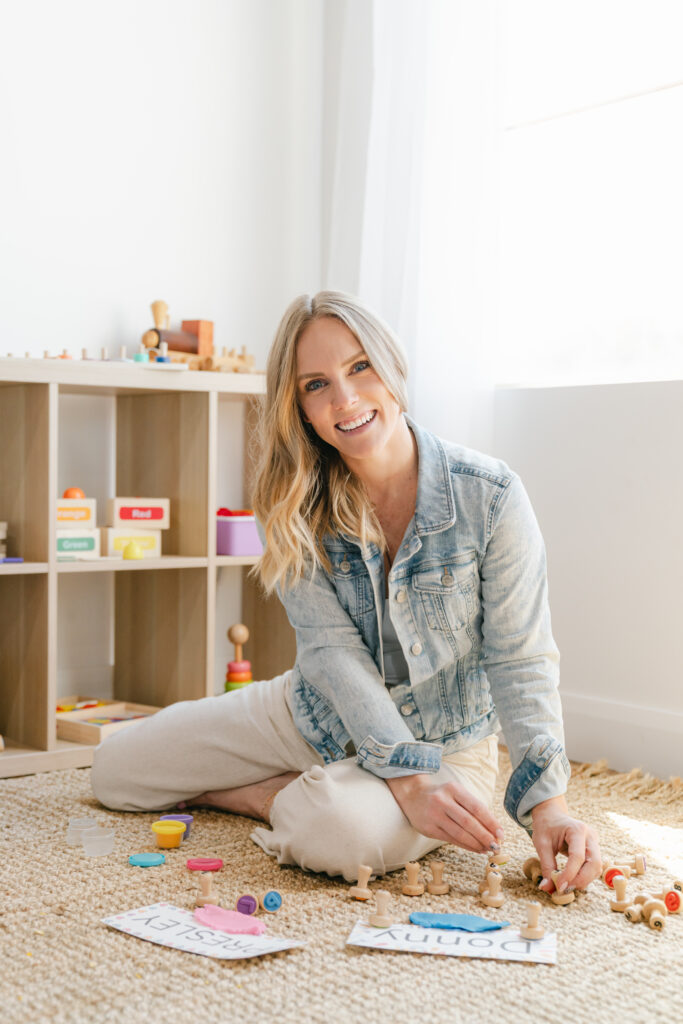
Inside Independent Play: A Break for You, Growth for Them, you’ll learn how to teach independent play step-by-step, create a play space that encourages success, reduce reliance on screens, and build the skills your child needs to play confidently on their own.
As a special thank you to the Screen Less Play More community, use code SCREENLESSPLAYMORE for 50% off the full system.
👉 Independent Play Course Here
👉 Free Screen Reset Guide Here
Because you don’t need to entertain your child every minute of the day. And you don’t need to feel guilty for wanting a few moments to breathe.
Independent play isn’t about doing less for our children. It’s about teaching them skills they’ll use for a lifetime.


Thanks for taking the time to learn how to promote independent play with your kids !!!! 🙂